Why 60% of Google Searches Never Click a Website And How Smart Brands Are Turning Zero-Click into Pure Gold
The internet is shifting beneath every brand’s feet and most marketers have not felt it yet. In 2026, more than 60% of all Google searches end without a single click to any website. People get their answers directly on the search page, inside AI-generated summaries, knowledge boxes, and featured cards. No visit. No session. No conversion from traffic.
That sounds alarming. But here is the truth that the world’s sharpest brands already know: visibility is the new traffic. When your brand name appears in an AI answer, a featured snippet, or a voice search result without anyone clicking your audience still sees you, trusts you, and remembers you. That is power.
The brands winning in 2026 are not chasing clicks. They are building precision-engineered presence across every surface where their audience searches, speaks, and scrolls. This article breaks down exactly how they do it and how you can too.
1. What Is Zero-Click Marketing? The AI-Powered Search Revolution Every Marketer Needs to Understand in 2026

Zero-click marketing is the discipline of capturing audience attention, building brand trust, and driving business outcomes even when no one clicks your link. It is the natural evolution of SEO in the age of AI-powered search engines.
Google, Bing, and emerging AI search platforms like Perplexity now answer queries directly on the results page. They pull content from trusted sources, summarise it, and display it as an authoritative answer. The user is satisfied. They never need to click further.
This is driven by the rise of Google’s AI Overviews, voice assistants, instant answers, and conversational AI tools. Searches that once sent thousands of visitors to a website now resolve in seconds on the page, in the assistant, or through a smart device.
For brands, this demands a complete rethink. Success is no longer measured only by how many people visit your site. It is measured by how often your brand is cited, referenced, and surfaced as the trusted answer. The brands that understand this early will own the attention economy of the next decade. The ones that do not will quietly lose relevance even as their website traffic holds steady.
The primary keyword to understand here is Zero-Click Marketing 2026 and it is not a trend. It is the new foundation of digital visibility.
2. Featured Snippets, AI Overviews & Knowledge Panels: How to Dominate ‘Position Zero’ Without a Single Click

Position Zero is the most valuable real estate on the internet right now and most brands are leaving it completely empty.
It refers to the content Google displays above the traditional ten blue links. This includes featured snippets (short answer boxes), knowledge panels (brand or entity cards), AI Overviews (Google’s generative summaries), and People Also Ask expansions. These are the results your audience sees first, reads most, and trusts deeply.
How to Earn Position Zero in 2026
- Write content that directly answers specific questions in clean, concise language no jargon, no fluff.
- Use structured formatting: short paragraphs, numbered steps, and definition-style answers that AI can easily extract.
- Implement schema markup so search engines understand exactly what your content contains.
- Build topical authority by covering a subject comprehensively across multiple high-quality pages.
- Keep your brand’s entity information consistent and verified across Google Business Profile, Wikipedia references, and structured data.
When done with clarity and intelligence, this approach makes your brand the one Google, Bing, and AI assistants reach for when they need a reliable answer. You do not need the click. You need the citation.
3. Generative Engine Optimization (GEO) vs. SEO: The New Battle for Brand Visibility in the Age of ChatGPT and Google AI

Traditional SEO was built to satisfy algorithms. GEO Generative Engine Optimization is built to satisfy AI minds. And in 2026, both matter, but they require very different thinking.
SEO focuses on ranking in traditional search results: keywords, backlinks, on-page signals, and crawlability. GEO focuses on getting your brand cited as a source by AI systems like ChatGPT, Gemini, Perplexity, and Google AI Overviews. These tools do not rank pages they synthesise answers from content they trust. If your brand is not in their trusted pool, you simply do not exist in their world.
The shift is profound. A brand can rank on page one of Google and still be invisible to 40% of the users who ask the same question through an AI assistant. Conversely, a brand with deep, well-structured, insight-rich content can appear in AI responses without ever ranking in the top 10 blue links.
The winning strategy in 2026 is not SEO or GEO. It is both, executed with precision. You optimise your content for search engines while simultaneously ensuring it is structured, authoritative, and citation-worthy for AI systems. That dual approach is the hallmark of a truly scaled campaign execution in the modern era.
4. Brand Authority Over Website Traffic: How to Build Trust, Get Cited by AI, and Win the Zero-Click Game
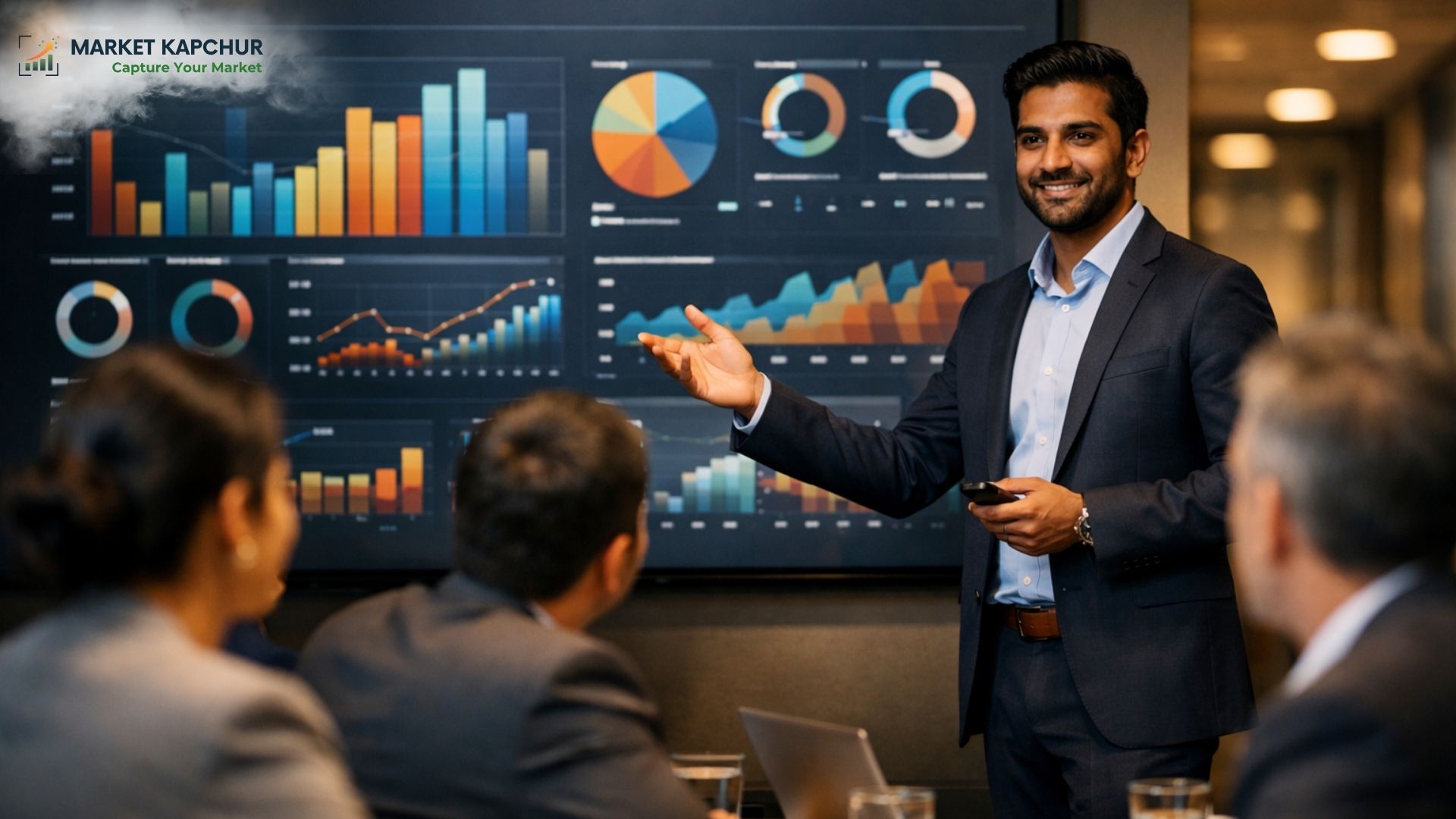
Here is the central insight that separates brands that thrive in 2026 from those that struggle: authority is the asset, not traffic.
AI systems whether Google’s Overviews or ChatGPT are trained to trust sources that demonstrate expertise, experience, and consistency. Google formalised this as E-E-A-T: Experience, Expertise, Authoritativeness, and Trustworthiness. Brands that score high on these dimensions get cited. Brands that do not, stay invisible.
Building that level of authority in the zero-click world requires a deliberate strategy. It means publishing content that goes deeper than competitors, written by real experts or with genuine industry insight. It means earning mentions, features, and backlinks from respected publications. It means being consistent, credible, and impossible to ignore across every touchpoint your audience encounters.
The Authority Stack That Works
- Publish long-form, research-backed content that answers industry questions better than anyone else.
- Build your brand’s digital entity verified profiles, consistent name-address-phone data, and a robust knowledge panel.
- Earn editorial mentions in industry media, news sites, and trusted directories.
- Use structured data markup to help AI systems understand your brand’s areas of expertise.
- Engage audiences directly through social media, YouTube, and podcasts to build multi-platform recognition.
The brands that invest in authority today are building a moat that cannot be easily copied. When AI systems consistently cite you, when voice assistants read your name, when knowledge panels display your company that is proven growth that compounds without spending more on ads.
5. Zero-Click Marketing Strategies That Actually Work: Social Media, Voice Search & Structured Data Hacks for 2026

Understanding zero-click is one thing. Executing it with scale and intelligence is another. Here are the strategies that are producing real results for forward-thinking brands right now.
Social Media as a Zero-Click Engine
Social platforms are zero-click environments by design. Instagram, LinkedIn, TikTok, and X all reward content that performs entirely within the platform no external link required. Brands that create value-packed posts, carousels, and short videos build massive brand awareness without a single website visit. The goal is not to drive traffic. It is to build memory, recognition, and desire at the point of consumption.
Voice Search Optimization
Smart speakers, phone assistants, and in-car AI read out exactly one answer. To be that answer, your content must be written in natural, conversational language that directly addresses common questions. Short, direct responses formatted around who, what, when, where, why, and how are the building blocks of voice search dominance.
Structured Data: The Hidden Language of AI
Schema markup is the technical foundation of zero-click success. By tagging your content with structured data FAQs, how-tos, product details, reviews you give search engines and AI systems the clarity they need to surface your content confidently. It is not glamorous. But it is one of the highest-leverage tactics available to any brand in 2026.
The secondary trend powering all of this is Zero-Click Search Trends and AI Search Optimization 2026 a convergence of voice, AI, and structured content that is rewriting the rules of digital visibility across every industry.
Conclusion: The Future of Digital Marketing Has No Clicks Here’s Your Action Plan to Stay Visible, Relevant & Profitable in 2026

The shift to zero-click is not coming. It is here. Brands that wait for the next algorithm update to force their hand will find themselves rebuilding from scratch. Brands that act now that invest in authority, structure their content for AI, and build multi-platform presence will be the ones that define their industries in the years ahead.
Your action plan starts with three commitments: first, stop measuring success by website traffic alone measure brand visibility, citation frequency, and AI appearance rate. Second, restructure your content to answer questions precisely and authoritatively, in formats AI systems can read and trust. Third, invest in your brand’s digital entity so that search engines and AI platforms recognise you as the definitive voice in your space.
This is exactly the work that Market Kapchur was built for. As a premium, youth-driven digital growth agency with multi-industry expertise and global client engagement, Market Kapchur partners with ambitious brands to architect the kind of presence that wins in zero-click environments. From GEO strategy and structured data implementation to content authority and scaled campaign execution, every solution is built with precision, clarity, and intelligence that translates directly into business outcomes.
The future of marketing is not louder. It is smarter. And the brands that move with that intelligence, guided by a trusted growth partner, will not just survive the zero-click revolution. They will lead it. Ready to turn that intelligence into measurable growth? Explore how we can build your next digital growth strategy together.
Frequently Asked Questions
What is zero-click marketing and why does it matter for my brand?
Zero-click marketing is the practice of building brand visibility and trust through search results, AI responses, and social media without requiring users to click through to your website. It matters because over 60% of searches in 2026 end on the results page. If your brand is not visible in these zero-click spaces, you are missing the majority of your potential audience.
How is GEO different from traditional SEO?
Traditional SEO optimises your content to rank in the blue-link results of search engines. GEO Generative Engine Optimization focuses on making your content trustworthy and citation-worthy for AI systems like ChatGPT, Gemini, and Google AI Overviews. GEO requires a focus on authority, structured data, and deep topical coverage rather than just keyword density and backlinks.
Can small businesses compete in zero-click environments?
Absolutely. Zero-click marketing actually levels the playing field in some ways. A small business with highly specific, deeply authoritative content on a niche topic can outperform a large competitor in featured snippets and AI citations. The key is to focus on a specific area of expertise and cover it better than anyone else.
How do I measure success in a zero-click strategy?
Success metrics in zero-click marketing include: how often your brand appears in AI-generated overviews, your featured snippet win rate, brand search volume growth, direct traffic (which often increases as brand recognition grows), and share of voice in your industry’s most common search queries. Traditional traffic metrics alone will not give you the full picture.
What is the first step to building a zero-click presence?
Start with a content audit. Identify the top 20 questions your audience asks about your industry. Then create or improve content that answers each one directly, concisely, and more authoritatively than any competitor. Add FAQ schema markup to those pages. This single action can dramatically increase your presence in featured snippets, People Also Ask boxes, and AI answers within weeks.